The calculated observations, moral science formulas, and real-time cultural analysis of Terry.
A direct transmission from the vantage point outside the perimeter.
Commenterry (noun)
/ˈkɒmənˌtɛri/
"A drop of ink may make a million think." — Lord Byron.
Welcome to a living hub of additional writings, ongoing analysis, and real-time thought.
This space serves as an active digital extension of my work—a dedicated collection of posts and postscripts, deep-dive essays, articles, and educated opinions exploring personal and systemic human conduct, organizational dynamics, and the structural architecture of thought and belief.
The pieces cataloged here represent continuous observation and real-world synthesis. They create an active environment for continuous exploration, cultural inquiry, and working insights that demand to be examined and shared in the immediate present.
"One entry can change a century" — Terry Lee Murphy

The Outlier
The Architecture Within Us
Some people carry an internal demand to bring an idea, discovery, or creation into existence. When that desire meets learned skill, a private possibility can become a shared contribution, revealing something humanity was capable of before we knew it was possible. The Outlier explores the architecture within us and the work that gives it expression.

Us vs. Ourselves
Two Treats and a Chubby Dog
Giving feels generous, but what happens when what we give serves our needs more than the person receiving it? From a child offered a second piece of cake to the countless ways we seek affection, avoid conflict, and influence one another, Us vs Ourselves examines the relationship between temptation, vulnerability, restraint, and responsibility, including the uncomfortable possibility that sometimes the person we most need to understand is ourselves.
Deus Ego and the Optessimist
The Power of Collective Agency
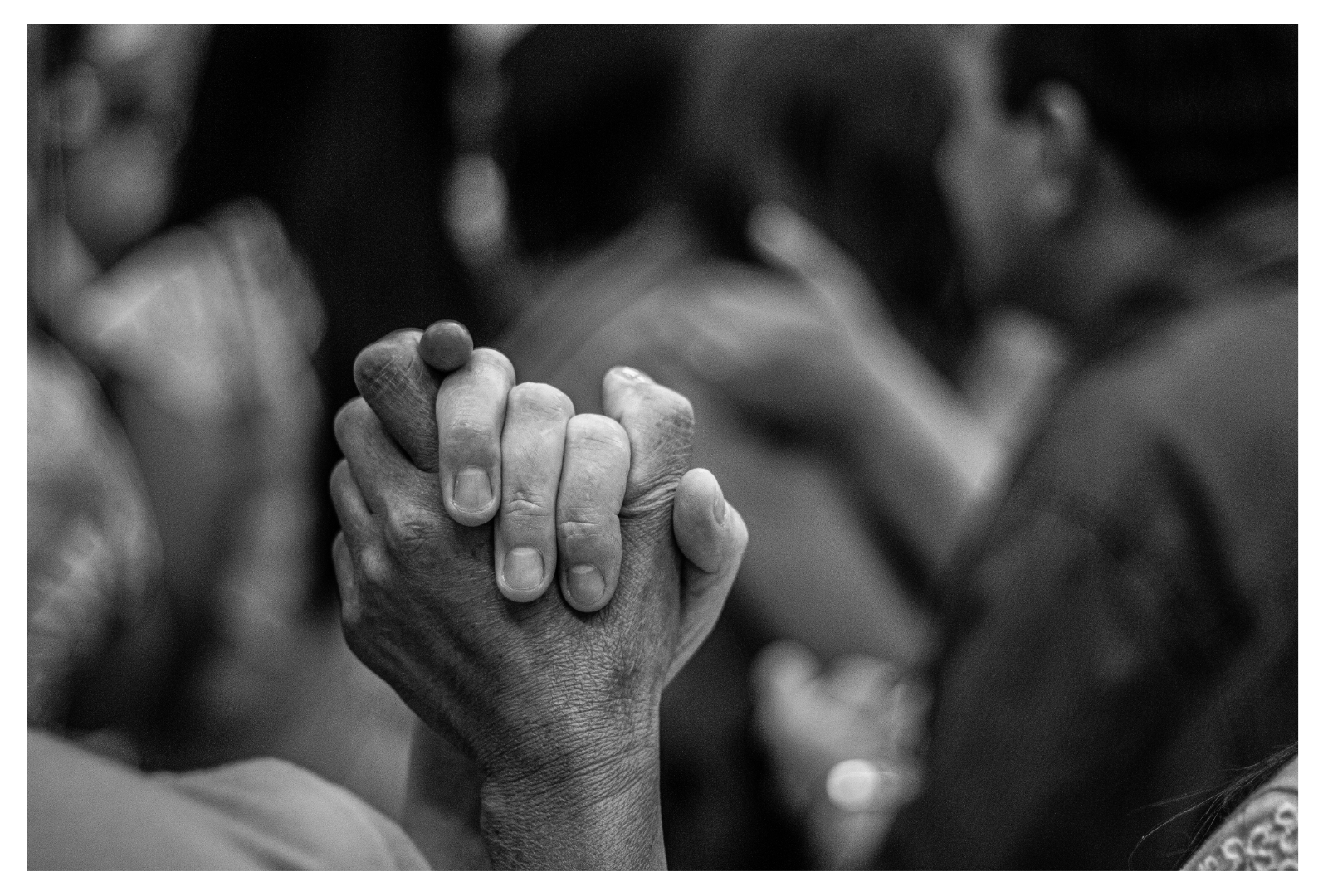
Trust makes human cooperation possible, but trust does not require the surrender of agency. When power begins taking trust for granted, and our differences become easier to exploit than our common interests are to recognize, individual agency can weaken along with the collective agency that keeps power accountable.

Are We Intelligent Enough?
To Do the Right Thing
Human intelligence has given us an extraordinary ability to discover, build, create, and advance. But greater capability does not necessarily mean greater wisdom. As artificial intelligence pushes us toward possibilities once unimaginable, perhaps the more important question is not simply what we are capable of doing, but what our pursuit of progress leaves behind. Intelligence may ultimately be measured not by how much we can accomplish, but by whether we are intelligent enough to do the right thing.

Content of Character
Is Being Good at Lying... Good?
Being good at something does not mean what you are doing is good. Knowledge, experience, intelligence, and persuasion can be used to protect others or exploit them. Perhaps character is revealed not by the advantages we possess, but by what we choose to do with them.

Crickets & Frogs
The Human Need to Matter
Humans make a lot of noise, but beneath our desire to be heard may be something more fundamental: the need to matter. That need can drive confidence, discipline, competition, achievement, envy, resentment, and self-importance. Perhaps the important question is not who makes the most noise, but what our need to be heard causes us to become.

When We Met
What We See in One Another
We spend much of our lives meeting people who attract us, interest us, help us, challenge us, comfort us, or simply share a moment along the way. Some remain for a lifetime. Others disappear almost as quickly as they arrived. But beneath every relationship is a more revealing question: Who are you to me when I don't need anything from you?
Cracy, Not Crazy
Democracy, Power and Self-Governance
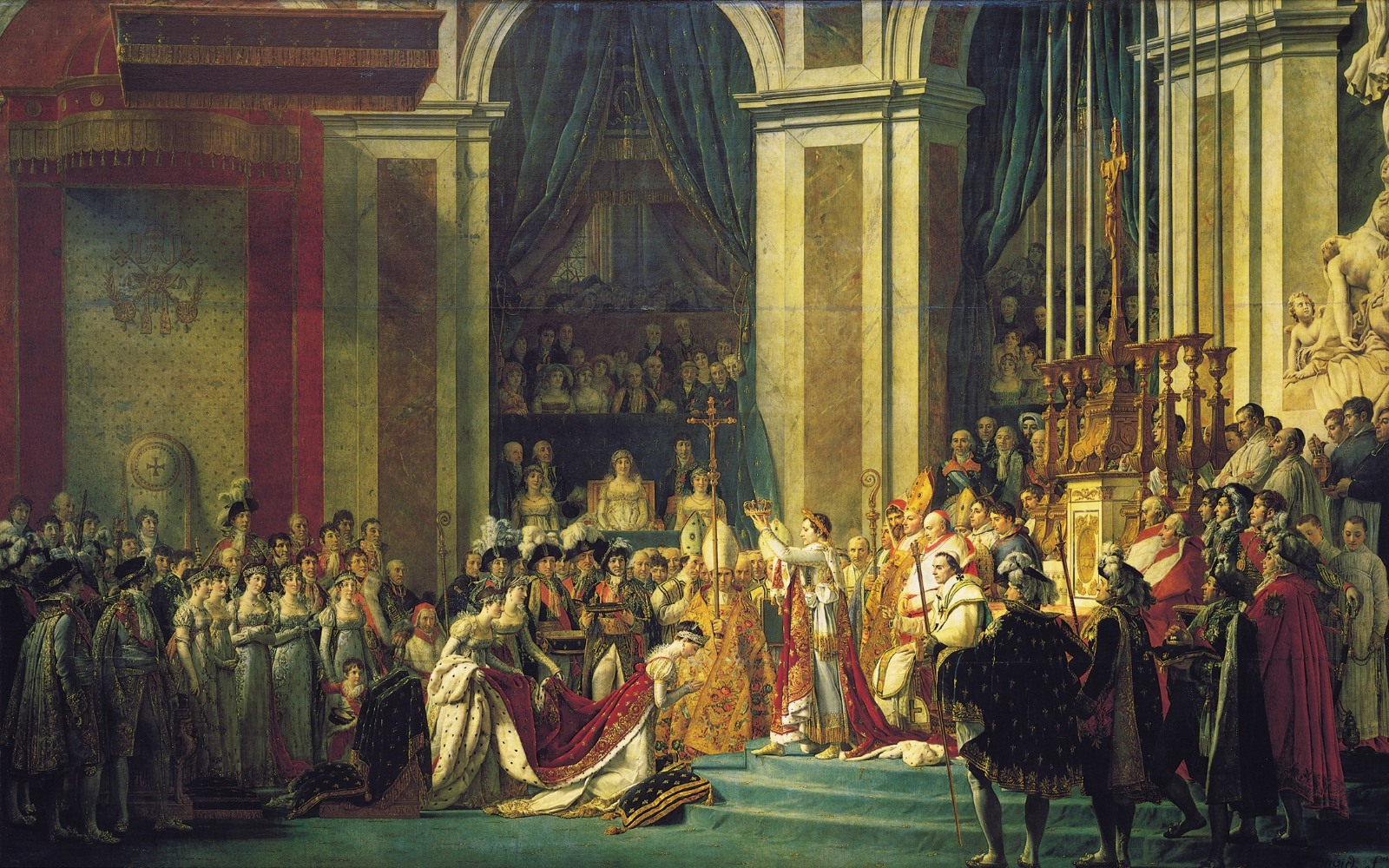
Democracy means the people hold the power, but that does not mean every decision within a democracy is democratic. Bureaucracy, technocracy, oligarchy, plutocracy and other forms of power can exist within it. Before political labels become accusations, perhaps we should understand what they actually mean and ask a more fundamental question: Where is the power?

The Contractual Human
When Everything Becomes Negotiable
NIL may be changing college athletics, but it also reveals something larger about the direction of society. As relationships, contributions, and even loyalty become increasingly negotiable, contracts can protect fairness and clarify expectations. But they cannot manufacture trust, honor, or character. What happens when negotiated value begins to replace the values that once held relationships together?

The Growth of Trust
Beliefs Become Culture
Most people assume that trust creates loyalty. Observation suggests the reverse: reciprocated loyalty creates trust. An examination of why loyalty must never become a liability in relationships, businesses, or civilizations.
The Moral Scientist
Researchers of the Human Condition
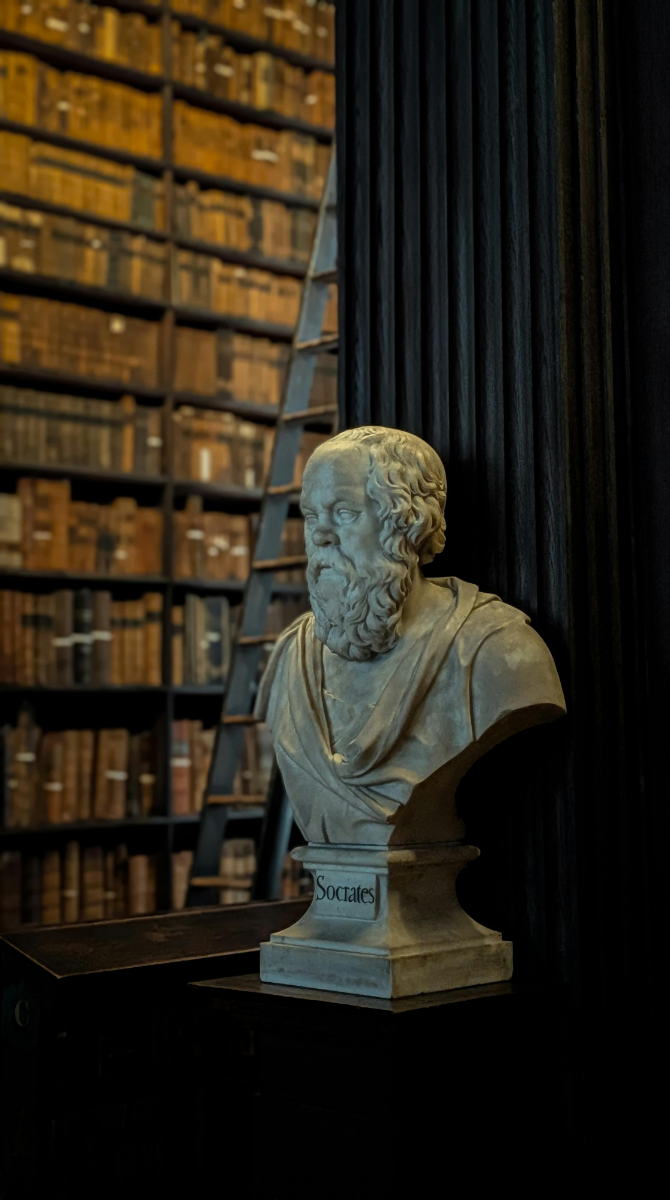
For thousands of years, history’s greatest thinkers studied humanity, tested hypotheses across civilizations, and mapped the conditions for human flourishing. They weren't just philosophers—they were researchers of the human condition.

Ill-Equipped Morality
Rules Are for the Weak
Has honesty become a liability in a world that rewards speed, attention, and disruption? Traditional moral frameworks weren't wrong—they were built for a simpler environment. Here is why our understanding of morality must evolve alongside our world.

The Meaning of Life
The Evidence of Identity
Religions have answered it, philosophers have debated it, and scientists have explored it. But what if the meaning of life isn't something we search for, but something we embody? A reflection on how existence transforms potential into reality—and what our choices express to the world.